
English| EUR
Suggested for you
More currencies
Choose a language
Plymouth sits at the threshold of Stellwagen Bank National Marine Sanctuary, one of the Atlantic's richest feeding grounds. Humpback whales, finbacks, and minke whales return each spring and stay through autumn, but timing your trip to the right window changes what you'll see and how comfortable the crossing will be.
Quick answer
Whale watching season Plymouth MA runs from mid-April through late October, with peak activity between mid-May and late September. Humpback whales arrive in April as water temperatures rise above 48°F, and sightings become most reliable from June onward when multiple species—including finbacks, minke whales, and occasional right whales—concentrate over Stellwagen Bank. September offers calm seas and active feeding before migration begins in October.
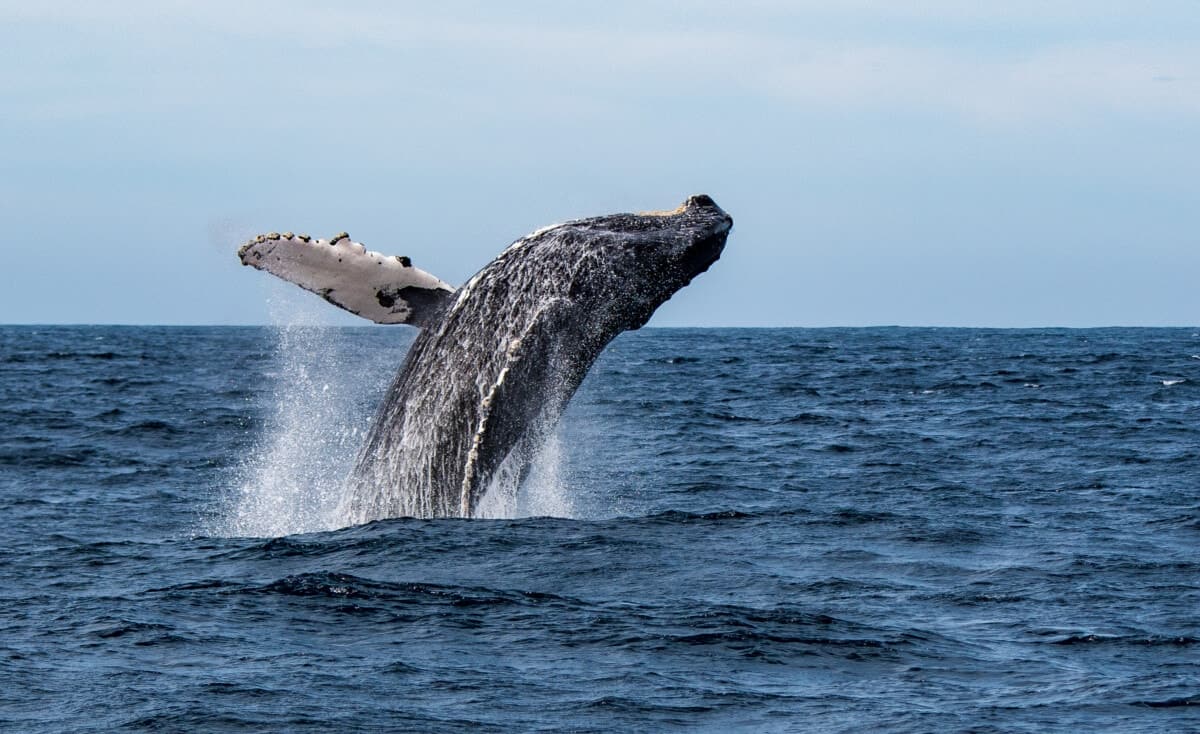
The North Atlantic feeding cycle governs everything. Humpback whales follow sand lance and herring to Stellwagen Bank each spring, arriving in Plymouth waters as soon as surface temperatures climb past 48°F—usually by mid-April. Finback whales, the second-largest species on Earth, appear shortly after, and minke whales patrol the shallower edges of the sanctuary from May through summer. By June, the feeding aggregation is fully established, and boats departing from Town Wharf encounter whales on nearly every trip. The whale watching season in Plymouth Massachusetts mirrors the plankton bloom that fuels the food web. April and early May bring the first sightings, but cooler air and rougher seas make early-season crossings less predictable. June through August represent the operational peak: long daylight hours, stable weather, and dense concentrations of whales along the northwest corner of Stellwagen Bank, just twelve miles from Plymouth Harbor. Sightings during this window often include breaching, tail-slapping, and bubble-net feeding—cooperative hunting behavior unique to humpbacks. September stands apart. Water temperatures remain warm enough to sustain baitfish, but cooler air reduces afternoon wind chop, and the sanctuary sees fewer recreational boats. Whales feed intensively before their migration to Caribbean breeding grounds, and the combination of calm seas and high activity makes late summer the preferred window for photographers and repeat visitors. By mid-October, the aggregation begins to disperse. A few individuals linger into early November, but reliable sightings end as whales move south. Captain John Boats has operated from Plymouth since 1946, running daily departures throughout the season from 10 Town Wharf. Excursions last three to four hours and travel directly to the feeding grounds under the guidance of naturalists trained to interpret behavior and identify individual whales by fluke markings. Morning trips benefit from calmer seas and better light for photography, while afternoon crossings sometimes encounter more surface activity as baitfish schools rise. The boats return to the same coordinates season after season because Stellwagen Bank is not a transient hunting ground—it is a predictable, legally protected feeding corridor that draws the same population year after year.
“By June, the feeding aggregation is fully established, and boats departing from Town Wharf encounter whales on nearly every trip.”
The whale watching season in Plymouth typically spans from mid-April through October, when humpback, finback, and minke whales migrate to the Stellwagen Bank National Marine Sanctuary. Planning your trip during the core summer months or early fall offers the highest probability of sightings.
Cooler, 50-60°F
Whales begin returning to the area as waters warm.
Warm, 70-80°F
High activity levels and frequent sightings throughout these months.
Mild, 60-70°F
Consistent whale presence continues as temperatures start to drop.
—
Best arrival window: 08:00–12:00 — Morning departures typically offer calmer seas and better conditions for whale sightings.
Verdict: For the most favorable conditions, aim for weekday mornings during the peak months of June through August.
The office for whale watching excursions in Plymouth maintains consistent daily operational hours throughout the active season to assist with guest inquiries and bookings.
Whale watching excursions depart from 10 Town Wharf, Plymouth, MA 02360. Visitors can reach this location easily via major regional roadways or public transit options connected to Plymouth center.
Route 3 or Route 44 to Plymouth Center
MBTA Commuter Rail (Kingston Line) to Kingston Station
Plymouth & Brockton Street Railway to Plymouth Center
From Plymouth Harbor waterfront area
Parking is available in the municipal lots surrounding Town Wharf; proceed directly to the ticket office at 10 Town Wharf to check in for your scheduled excursion.
Prepare for your whale watching excursion with these essential steps.
Everything you need to know about whale watching season plymouth ma
The peak whale watching season plymouth ma typically runs from mid-spring through early autumn, when migratory marine mammals frequent the Stellwagen Bank National Marine Sanctuary. Planning your trip during these months provides the highest probability of observing humpback, finback, and minke whales in their natural habitat.
During the active whale watching season plymouth ma, the local marine environment supports a rich abundance of plankton and baitfish. These nutrient-dense waters attract diverse cetaceans, making it a prime location for oceanographic observation and wildlife photography.
The standard adult ticket price for a whale watching excursion is 74 USD. This fee grants access to the vessel and professional narration provided by experienced naturalists throughout the journey.
Many visitors bring families to enjoy the educational opportunities during the whale watching season plymouth ma. The open-air decks provide space for children to view marine life, though guests should monitor weather conditions and dress in layers for the maritime breeze.
The best arrival window is 08:00–12:00, as morning departures typically offer calmer seas and better conditions for whale sightings. Arriving within this timeframe helps ensure a smooth boarding process and sets you up for a comfortable trip on the water.
It is recommended to verify the current schedule online at the official site before your arrival. While the season is defined by migration patterns, daily departures remain subject to weather conditions and sea states.