
Plymouth Rock
3 min walk
This iconic site is located just a short walk from the wharf, making it a convenient stop before or after your whale watching excursion.

Plymouth serves as a launch point for excursions to Stellwagen Bank National Marine Sanctuary, one of the Atlantic's most reliable feeding grounds for humpback, finback, and minke whales. This guide covers tour schedules, check-in requirements, seasonal patterns, and what happens once you're on the water.
Quick answer
Tours last approximately three to four hours and travel to Stellwagen Bank, where sighting success rates exceed 90 percent during peak season from mid-April through October. The facility is closed Saturdays and Sundays, and entry to the wharf itself is free—tour costs are per-person and booked separately.
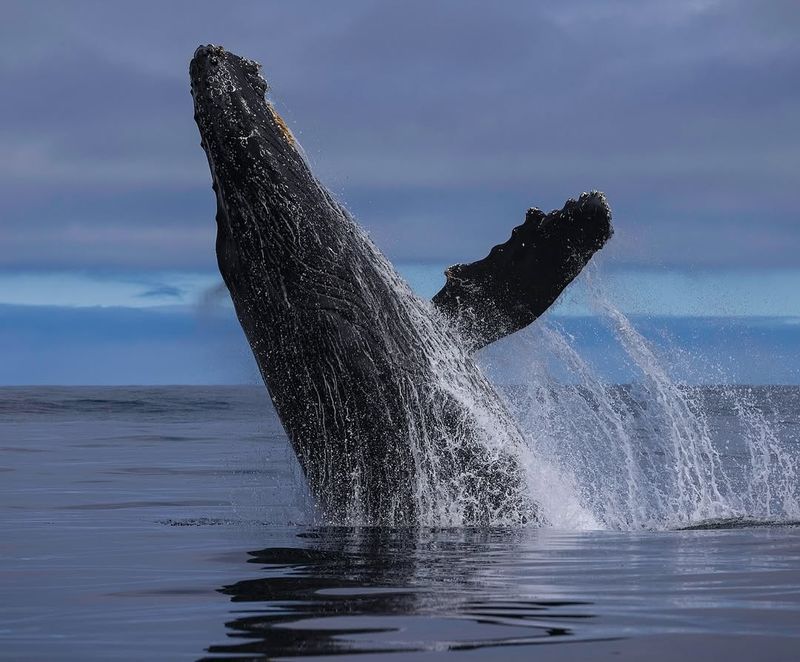
Stellwagen Bank lies eighteen miles northeast of Plymouth Harbor, a shallow underwater plateau where cold nutrient-rich currents create one of the densest concentrations of sand lance and herring in the Gulf of Maine. Those baitfish draw humpback whales, finback whales, minke whales, and white-sided dolphins in numbers that make the sanctuary a globally recognized cetacean habitat. Federal protection since 1992 has kept commercial fishing pressure low and allowed researchers to catalog individual whales by fluke patterns, turning each sighting into a potential data point for long-term population studies. Captain John Boats has operated whale-watching excursions from Plymouth since the early 1970s, making it one of the region's longest-running outfitters. Onboard naturalists—many affiliated with the Whale Center of New England—narrate the crossing and identify species once animals surface. Humpbacks breach and lob-tail with enough regularity that photographers fill memory cards, but finbacks, the second-largest animal on Earth, tend to show only a dorsal fin and back as they glide past. Minke whales are smaller, faster, and harder to predict. Sighting probability tracks water temperature and prey availability. April and May bring the earliest arrivals as whales return from Caribbean breeding grounds. June through September offers the highest encounter rates, with multiple species often visible in a single three-hour window. October extends the season as long as weather permits, though northeast swells can force cancellations. Winter months see most whales migrate south, and tour operators suspend service until the following spring. Check-in closes sixty minutes before departure, a hard cutoff designed to accommodate safety briefings and passenger manifests. Parking at the wharf fills early on summer weekends, and the nearest overflow lots add a ten-minute walk. Dress in layers—even July mornings on open water drop into the mid-fifties once the boat reaches cruising speed. Motion sickness affects a quarter of passengers on rough days; ginger tablets and wristbands help, but the most effective countermeasure is a spot on the upper deck where the horizon stays visible. Whale watching near Plymouth MA delivers reliable access to one of the Atlantic's premier marine ecosystems, provided you plan around the operator's weekday-only schedule and give yourself a full morning or afternoon to make the crossing.
“Stellwagen Bank's cold nutrient-rich currents create one of the densest concentrations of baitfish in the Gulf of Maine, drawing humpback, finback, and minke whales in numbers that make the sanctuary a globally recognized cetacean habitat.”
The prime window for whale watching near Plymouth, MA, spans from mid-April through October when humpback, finback, and minke whales migrate to the Stellwagen Bank National Marine Sanctuary. Scheduling your trip for weekday mornings typically offers the calmest sea conditions and lower passenger volumes.
Cool, 50-60°F; migration begins.
Early season sightings often include mothers and calves returning to the region.
Warm, 70-80°F; stable seas.
Summer months provide consistent whale activity and frequent sightings as feeding behaviors peak.
Mild, 60-70°F; cooler waters.
Late season trips often experience fewer passengers and clear, comfortable observation conditions.
—
Choosing an early departure often results in the calmest water conditions of the day.
Verdict: The best time for whale watching is Tuesday to Thursday during the morning hours, specifically in the months of May or September.
Costs for whale watching tours are determined by the specific boat operators and are charged on a per-person basis.
Verdict: While wharf access is free, visitors pay a per-person fee for boat tours which varies based on the specific excursion and operator chosen.
Prepare for your whale watching trip with these essential steps and items.
These locations allow you to extend your maritime excursion into a full day of exploring local history and coastal scenery.
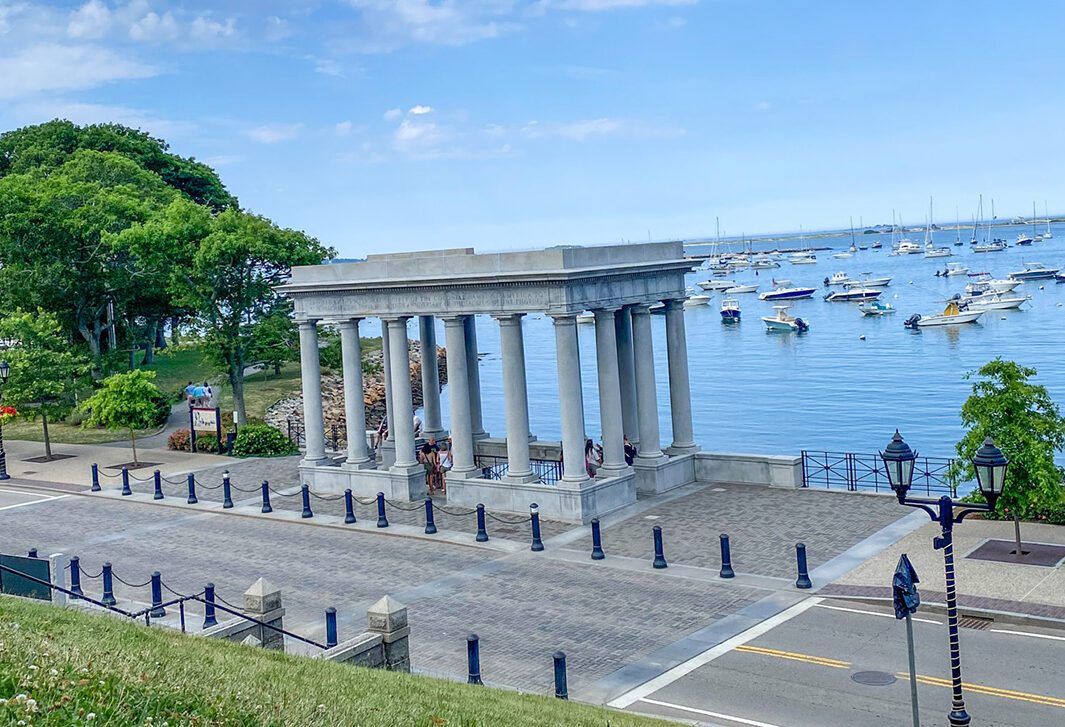
3 min walk
This iconic site is located just a short walk from the wharf, making it a convenient stop before or after your whale watching excursion.
2 min walk
Located directly adjacent to the harbor, this park provides waterfront walking paths and views of the Mayflower II replica.

8 min drive
This living history museum provides context for the region's colonial history and offers a thematic complement to a day spent on the water.

5 min drive
This large granite monument sits on a hill overlooking the town and offers a quiet space to reflect on local history after your return to port.
Everything you need to know about whale watching near plymouth ma
When preparing for a Plymouth whale watch tour, consider bringing layers of clothing to account for cooler ocean temperatures and wind. It is also recommended to bring sun protection, binoculars for spotting marine life, and a camera to capture your experience on the water.